The Long Arm of the Lens: How to Check Who's Reading Your Number Plate
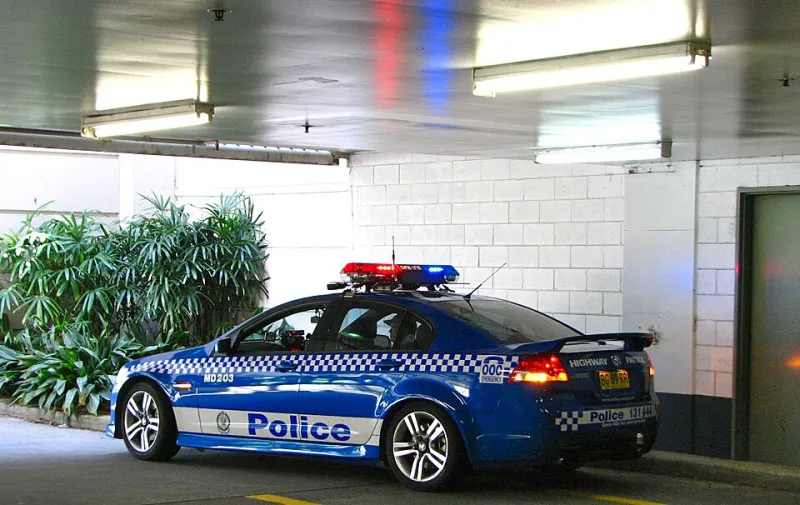
Photo: Highway Patrol Images, CC BY 2.0, via Wikimedia Commons
Drive anywhere in the UK and your number plate will be read. Probably several times before you've finished your commute. Automatic number plate recognition (ANPR) isn't just a police tool anymore — it's woven into council parking enforcement, clean air zones, private car parks, and even some drive-thrus. The result is a sprawling patchwork of databases, each with its own rules about what's kept, for how long, and who gets to see it. Here's how to find out what's been logged about your motor, and what to do if something's wrong.
Who's Actually Watching?
Police forces across the UK run fixed and mobile ANPR cameras, feeding data into national systems. That's the classic surveillance image: a camera on a motorway bridge, quietly logging every passing car. But councils have their own networks for parking, bus lanes, clean air zones and low-traffic neighbourhoods. Private operators use ANPR in car parks, at tolls like the Dartford Crossing, and at ferry ports. Each has a different legal basis and retention policy.
The key distinction is purpose. Police use ANPR for crime detection and road safety. Councils use it to enforce traffic rules and charge for emissions or parking. Private companies use it to manage access and issue parking charge notices. They don't all share data with each other, but some do — and that's where things get murky.
What Gets Logged — and How Long It Sticks
When a camera reads your plate, it typically captures the registration, a timestamp, the location, and an image of the vehicle. Some systems also record the make and model, or even occupants if the image is clear enough. The data is then stored in a database, sometimes linked to DVLA records if enforcement action is needed.
Retention periods vary. Police forces in the UK generally keep ANPR data for up to 12 months, though serious crime investigations can extend that. Councils set their own periods — often a matter of weeks for parking enforcement, longer for clean air zones. Private operators might keep data for months or years, depending on their terms. The only way to know for sure is to read the privacy notice or ask.
How to Ask If Your Plate Is in the System
Under UK GDPR, you have the right to request access to your personal data — and that includes ANPR logs tied to your vehicle registration. This is called a subject access request (SAR). You can send one to:
- Your local police force's data protection officer
- The council department responsible for parking or clean air zones
- Any private parking operator you've used
- Transport bodies like National Highways or Transport for London, if relevant
You don't need a special form. A simple email works: state your name, address, vehicle registration, and ask for all personal data relating to that plate. The organisation has one month to respond, and it should be free. Some data may be withheld if it relates to crime prevention or detection, but you should still get a response explaining why.
When the System Gets It Wrong
ANPR isn't perfect. Misreads happen — a dirty plate, a tricky angle, or a character like O and 0 getting confused. Cloned plates are another problem: someone copies your registration and drives around racking up fines and flags in your name. You might only find out when a penalty notice lands on your doormat or you're pulled over for something you didn't do.
If you think your plate has been wrongly flagged, act quickly. Gather evidence: photos of your vehicle, your V5C logbook, MOT certificate, insurance details. Then contact the organisation that issued the fine or flag. For parking tickets, use the operator's appeals process and, if needed, the independent appeals service. For police flags, contact the force's data protection team and request rectification under GDPR. If you're getting nowhere, escalate to the Information Commissioner's Office (ICO).
Reducing Your Exposure (Without Getting Nicked)
Let's be clear: you can't legally obscure or alter your number plate on public roads. Doing so is an offence. But there are legitimate steps you can take to reduce your digital footprint. Check where ANPR cameras are — some councils publish locations, and community maps exist online. If you're worried about clean air zone charges, plan routes that avoid them where possible. If you don't like a private car park's data policy, park elsewhere.
You can also support transparency campaigns that push for shorter retention periods and clearer signage. And it's worth checking your plate isn't cloned: keep an eye out for unexpected fines, and consider a personal plate that's harder to copy. Finally, if you're making a SAR, be specific — it helps organisations respond faster and gives you a clearer picture of who's been watching.
ANPR isn't going anywhere. But knowing the rules — and how to push back when they're broken — puts you in a better position than most drivers.